On 8 February, Japan will see a snap election for the lower house of parliament, called by the prime minister to capitalise on her popularity. The minimum target (well within reach according to the polls) is 261 seats for the coalition, which would allow it to govern with greater ease. However, the Liberal Democratic Party's individual results will also carry a lot of weight. Takaichi is counting on young people returning to the polls. The unknown factor of the far right Sanseito
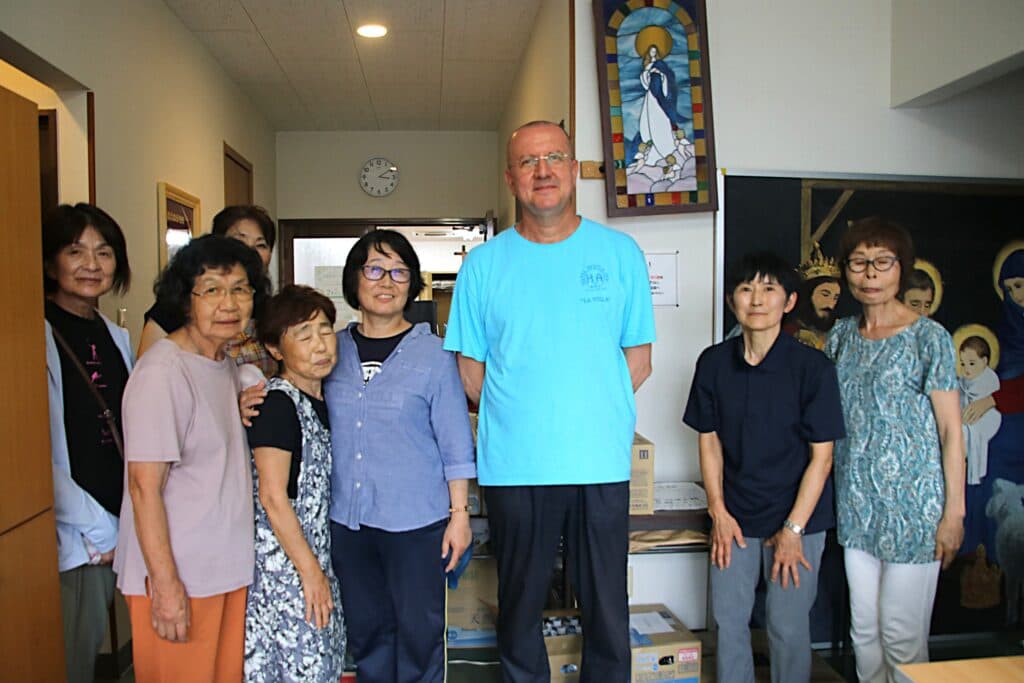
Human rights and religious organisations denounce the increase in xenophobic rhetoric ahead of the 8 February vote. In a joint statement, they call on parties, candidates and the media to condemn hate speech. Criticism of the government's policies Takaichi: ‘We want a society where the human dignity of all is guaranteed’.
The prime minister announced the early dissolution of the lower house, elected in October 2024. The next election is set for 8 February. She explicitly asked voters to give her a strong mandate. Initial polls are mixed: half of voters did not want an early vote, but few consider the new centrist alliance formed by the two main opposition parties a serious challenger.
The main opposition party and Komeito, which left the governing coalition government, plan to create a new political entity to stand against the ruling LDP. Prime Minister Sanae Takaichi plans to call a snap election to capitalise on her current honeymoon with voters to get a strong majority. The vote, which could come as early as 8 February, risks complicating the short-term management of the country’s economic crisis.
The South Korean president's trip to China marked a significant diplomatic rapprochement between Seoul and Beijing after years of frostiness, but leaves fundamental strategic issues unresolved. Despite attempts to engage on the Pyongyang dossier, the Chinese government avoids any reference to denuclearisation. Economic agreements signed by Korean conglomerates on rare earths and strategic minerals
China cites "international law” and “the UN Charter" to stand with Venezuela (while not respecting it in the South China Sea). Xi Jinping calls on South Korean President Lee to make the “right strategic choices”. A former Japanese defence minister is concerned about a possible domino effect involving Taiwan. India is cautious in order to keep a door open for Trump on tariffs.