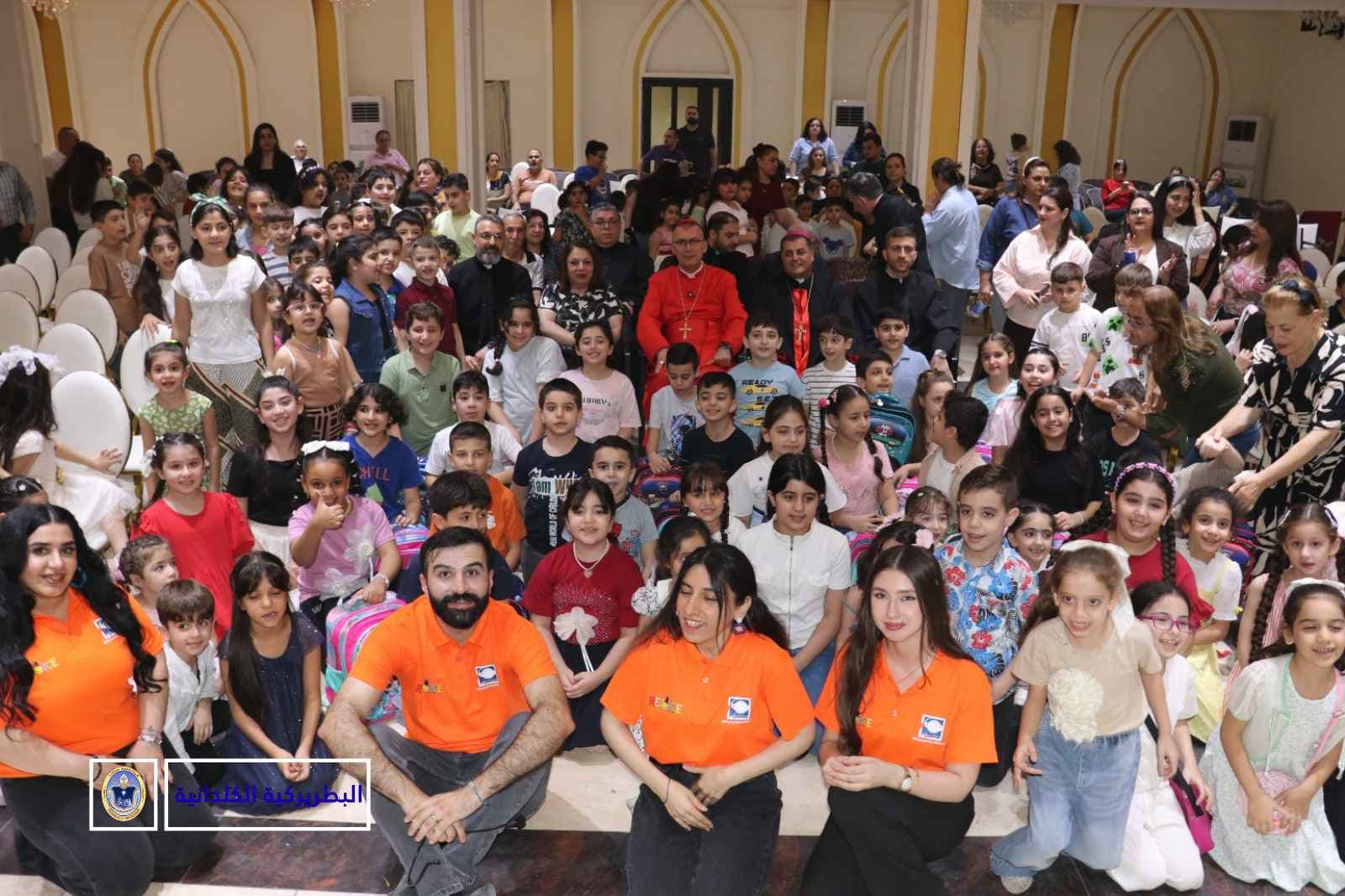
The cardinal spoke to AsiaNews with "sadness” and great concern" about the country's political divisions and renewed tensions in the region. He also expressed apprehension over the return of al-Maliki, a possibility rejected by the United States. Christians are fearful of economic and social problems, and the lack of security and prospects.
Kata’ib Hezbollah, a pro-Iranian Shia militia, is threatening “total war" after the US sent an aircraft carrier to the Middle East. The election of a new president has been postponed; the outgoing office holder, Abdul Latif Rashid, is remembered for his bitter feud with the Chaldean patriarch for revoking a presidential decree recognising the Christian prelate. Meanwhile, al-Maliki’s possible return to power is casting a long shadow. Cardinal Sako calls for three days of fasting and praying for the country.
The United Nations Assistance Mission for Iraq (UNAMI) will end on 31 December after more than 20 years. A farewell ceremony was held recently in the presence of the UN secretary general. The country has grown and become more stable, but some uncertainty remains. After last month’s election, Iraqis are waiting to see a new government take over with uncertainty over the chances of the incumbent prime minister. For Cardinal Sako, Iraqis are waiting for the “birth of a new Iraq”.
Several graves in the Christian cemetery in Harmota, a village in Koya District, were broken into and headstones smashed. Who carried out the attack and why remain unknown. Anger and indignation are high among the faithful. For Cardinal Sako, such an act is “morally and religiously unacceptable”. Missiles were fired at a gas field in late November.
The annual ordinary session of the Iraqi Church, led by Cardinal Sako and attended by 20 bishops, was held in Baghdad. The final declaration emphasised the importance of “team spirit” in order to put past divisions behind them. A warning to respect “quotas” to protect their presence in institutions.
With the military and displaced persons voting, operations have begun and will culminate tomorrow. Outgoing Prime Minister al-Sudani claims the government's “success” and seeks a second term. On the Shiite front, the influence of former Prime Minister Nouri al-Maliki remains, while al-Sadr has confirmed his boycott. Sunnis and Kurds are the other forces in the field. The number of young candidates is ‘significant,’ but experts say the vote is unlikely to bring about change.