Following the capture of the Venezuelan president, strategic tensions between the United States and China, which has invested heavily in Latin America and the Caribbean in recent years, have returned to the forefront. Competition between the two powers could now fall on the Panama Canal. In the recent past, the Central American country has sought to keep a balance among rival interests. Washington could target other Chinese infrastructure projects and investments in raw materials.
China cites "international law” and “the UN Charter" to stand with Venezuela (while not respecting it in the South China Sea). Xi Jinping calls on South Korean President Lee to make the “right strategic choices”. A former Japanese defence minister is concerned about a possible domino effect involving Taiwan. India is cautious in order to keep a door open for Trump on tariffs.
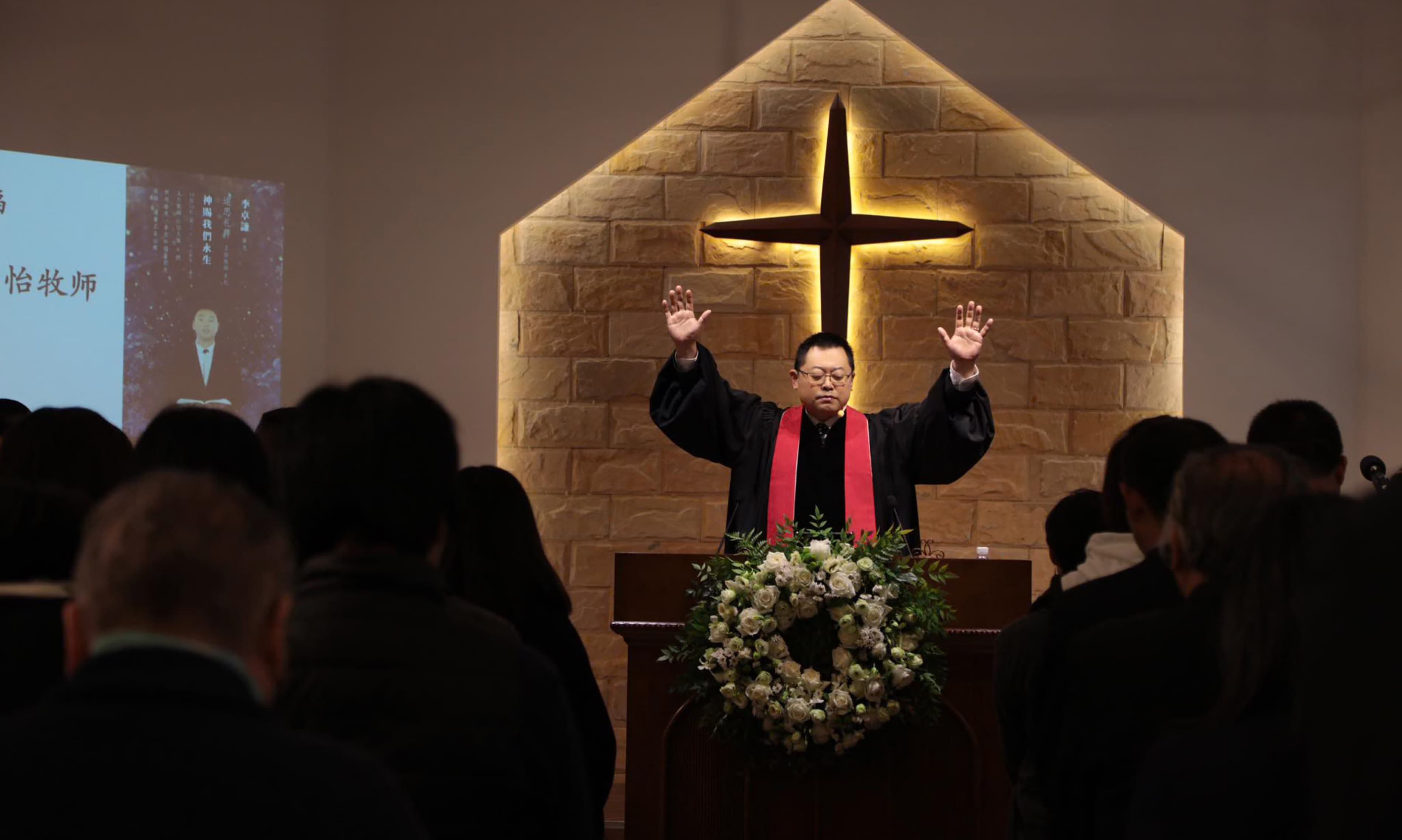
The year that just ended saw China further tighten its bureaucratic control over religions. The idea that the country’s interests must come before religion is growing stronger. This includes a “fight” against religious education for minors. Following an unscheduled visit to the Vatican by the Abbot of Saholin, new regulations are expected on issuing passports for members of the clergy. Mainland China has come 99 Catholic bishops: 80 in the official Church, 10 in the underground Church, and nine irregular.
Some 15,000 people gathered in Hanoi at the shrine of the Vietnamese martyrs to celebrate the conclusion of a Holy Year marked by more than a thousand pilgrimages. Celebrations were also held in dioceses in mainland China. In Japan, Cardinal Kikuchi addressed the Church of Tokyo: "May the flame of hope never be extinguished.”
Special Envoy for Asian Affairs Deng Xijun said that the vote (to guarantee Chinese interests) was a condition Xi Jinping imposed on Min Aung Hlaing. The results from the first round on 28 December released by Myanmar’s military regime confirm the expected victory by a wide margin for the military-backed party. In Myanmar, however, China is walking a tightrope, continuing to support ethnic militias that control border areas.
China has opened the 22-kilometre-long Tianshan Shengli Tunnel to traffic, completing a key piece of infrastructure on the motorway linking the city of Urumqi to Yuli. The project drastically reduces travel times between northern and southern Xinjiang and strengthens connections to Central Asia as part of the Belt and Road Initiative. The project is part of the development strategy for border regions, but it crosses a territory marked by strong political tensions over human rights violations against the Uyghurs.