

Over 400 soon-to-be-weds, migrant workers in various countries across the region, are unable to return home and tie the knot due to the suspension of flights. Families are in despair, having completed their preparations yet facing an uncertain future. Some are considering video calls for an ‘alternative’ ceremony, but weddings are not merely a personal choice but community events woven into the social and economic fabric.
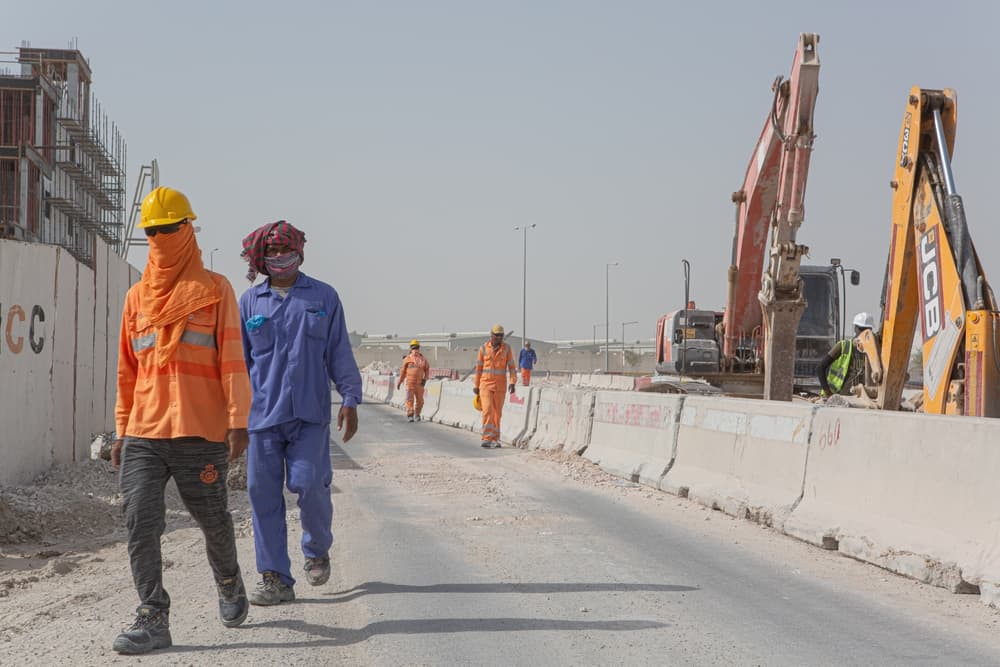
While the world’s attention is focused on the passage of ships through the Strait of Hormuz, there is another vital “economic resource” that the war is seriously jeopardizing: the labor of nearly 40 million foreign workers, who make up the majority of the population in many local cities. A prolonged crisis, with a massive wave of returns, would also have serious consequences for the countries of origin in South Asia, Southeast Asia, and other Arab nations.
The Jaffa-born priest describes a situation of apprehension and crisis, but experienced “with great human dignity”. The crisis triggered by war is not something "distant” as people have to live with “caution, fear, and prayer." The conflict touches "deep sensitivities" in the region. In his appeal to AsiaNews readers, he says that every war "is a wound to humanity”.
Iran is blocking with missiles and mines the strait through which 20 per cent of global crude oil transits. After China, India and Bangladesh are trying to get Iran’s approval for their ships to avert a crisis. According to EIA data, up to 82 per cent of oil going through Hormuz reach Asian markets. Starting 16 March, Tokyo intends to release part of its oil reserves on its own.
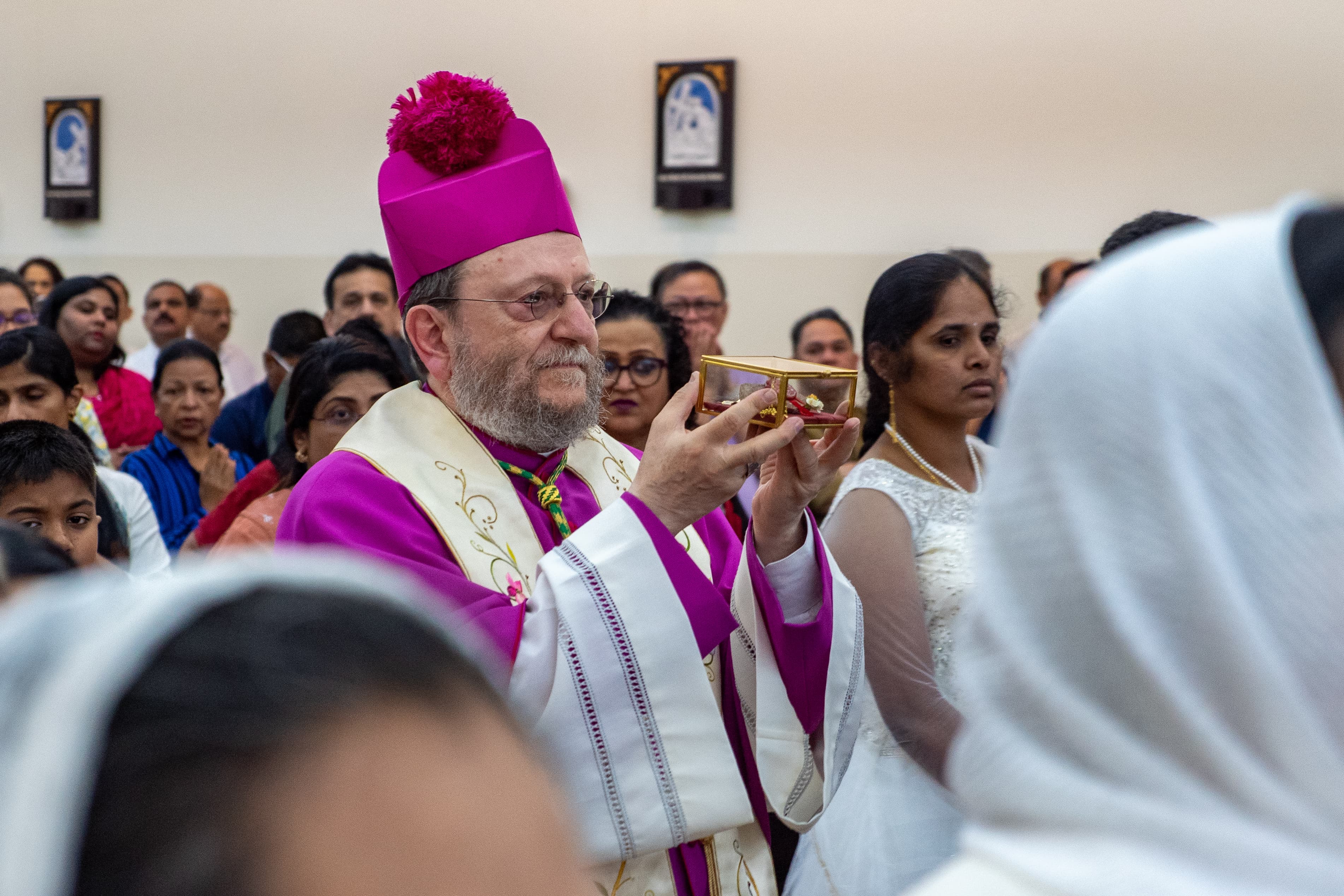
From the Emirates, Bishop Martinelli reports a situation that "seems largely under control," although "apprehension" remains over the escalation between Israel and the United States against Iran. The Abrahamic Family House is temporarily but necessarily closed, but hopefully it “can be reopened soon.” Prayers are offered for the victims in the migrant population.
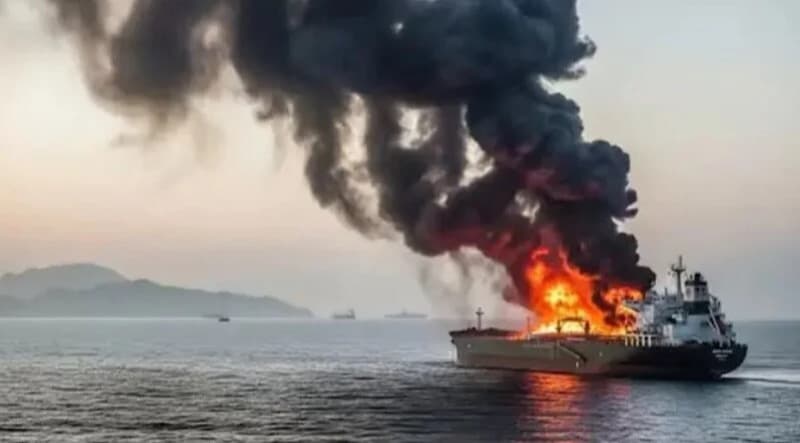
There have already been several victims among the many expatriate communities. The first death in the Jewish state from an Iranian missile was that of a Filipino caregiver. The conflict has also spread to the seas, with a seafarer killed on an oil tanker off the coast of Oman. A Pakistani, a Nepalese and a Bangladeshi citizen are the three people killed in the United Arab Emirates.