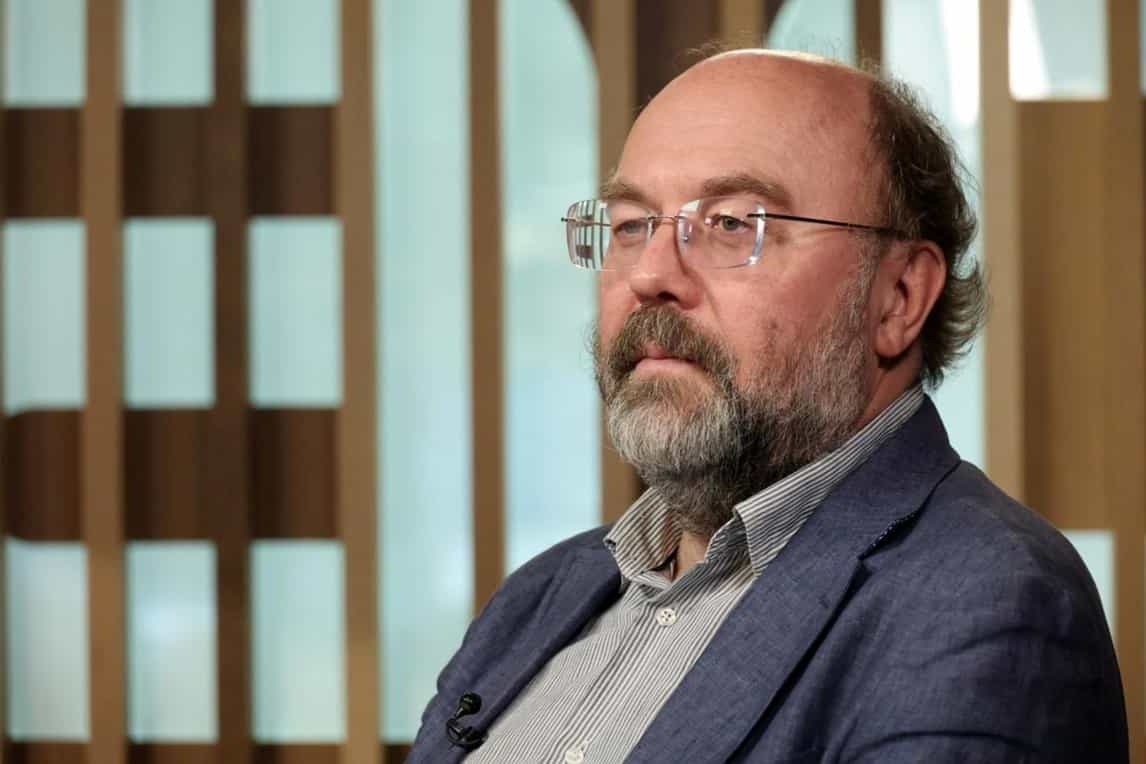
With the golem mired in the swampy mud of "serving, praying, and giving birth”, it is impossible to trust sociological surveys with increasingly less accessible statistical data. As the rift between Russia’s optimistic majority and a significant pessimistic minority persists, the prevailing view is that "everything will remain as it is today”. Kirill voices an apocalyptic perspective while the fight continues against the "demon" Bartholomew.
The assault on the television centre in January 1991 definitively ruined the plans for perestroika, also giving Gorbachev the reputation of a dictator and persecutor of the freedom of peoples, destroying his image as a reformer. After Lithuania, it was the turn of Latvia and Estonia, with Yeltsin himself signing an appeal to the UN on the unacceptability of military interference. Today, this conquest of freedom and civilisation remains a faint memory.
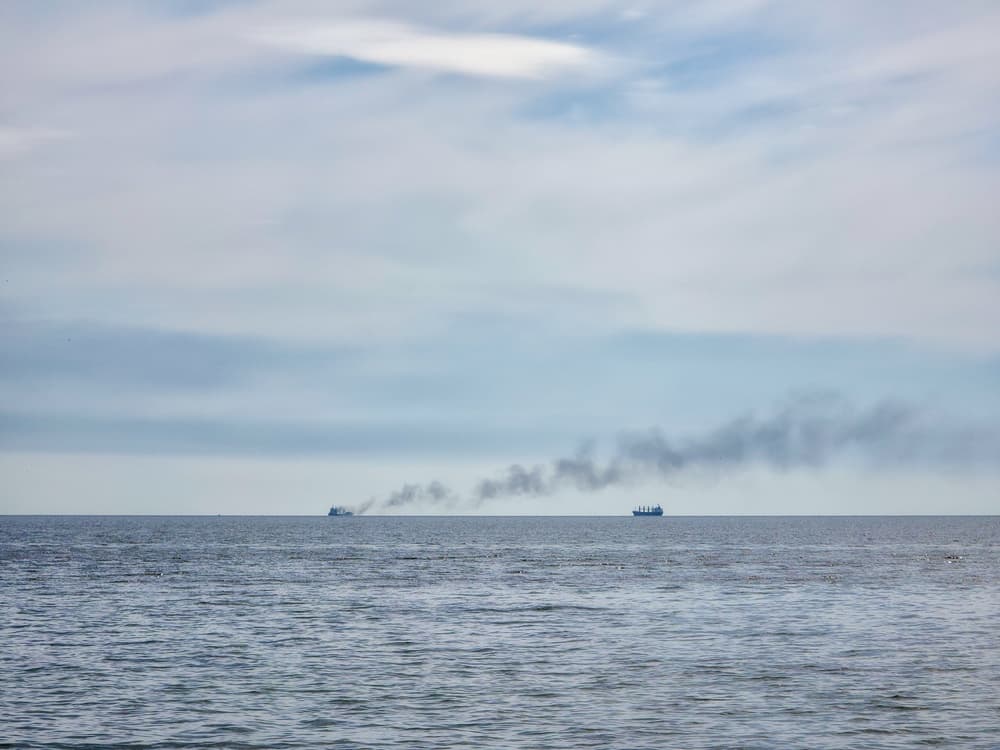
For the moment, Russia tends to downplay the scope of US Coast Guard operations against its ghost tankers, which are withdrawing from the Caribbean seas to circumvent sanctions, limiting themselves to circumnavigating Eurasian territories. But advocates of war view the abandonment of “friendly countries” with concern, fearing the risk of being left with only North Korea at its side.
The “Donroe doctrine”, as enunciated by Trump, now corresponds perfectly with the principles of Putin's Russkij Mir: both the US and Russia assess the countries within their sphere of influence, be it the American double continent or the former Soviet Eurasian space, as countries to be controlled, conquered, invaded and exploited.
Although Rosstat has decided to keep the data secret until 2025, many independent demographers believe that the decline in the Russian population is accelerating. The only areas bucking the trend are the Muslim-majority regions of the North Caucasus. Where religious practice is already much more intense than among the faithful of the Orthodox Churches.
The founder of the Viasna Human Rights Centre was released a few weeks ago, along with a hundred other Belarusian political prisoners. He spoke with Radio Liberty from exile in Lithuania about his four years in jail for protesting Lukashenko's election fraud. The 2022 Nobel Peace Prize laureate noted that a thousand more people are still jailed in a “never-ending vicious circle.”