

Lebanon’s south is now a battlefield where a regular army equipped with tanks and planes and guerrillas armed with rockets and drones hunt each other with no regard for the suffering of the local population. Beirut's Sports City is now a vast dormitory for refugees. President Aoun is gambling his political fate on talks, while Hezbollah attacks him with a smear campaign.
Whilst Pakistan is in the spotlight for its mediation in the Gulf, the crackdown on civil society continues unabated. A group of activists were detained for several hours; they were due to hold a press conference on an initiative scheduled for 10 May for which they have not yet received permits. Human Rights Commission: “This is not an isolated incident, but a recurring pattern.”
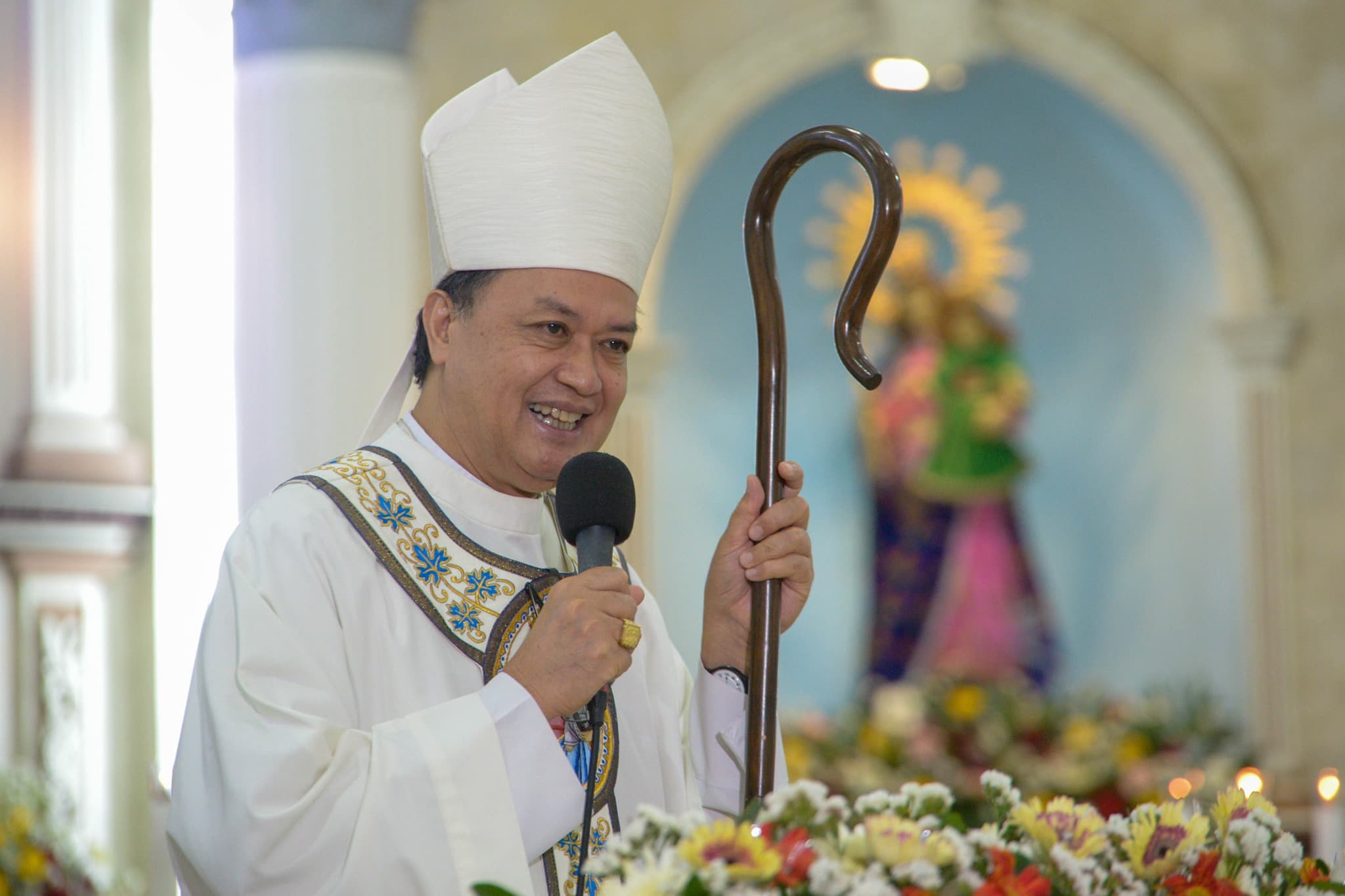
At the general audience, continuing his commentary on “Lumen Gentium”, Leo XIV focused on the eschatological dimension of the Church, which “lives in service to the coming of the Kingdom of God”, interpreting the “dynamics of history” from the perspective of the Gospel. Earthly history is marked “by injustices and suffering”, but believers are “neither deluded nor despairing”. Ecclesiastical institutions “called to a continual conversion”.
Today’s headlines: Hanoi announces a new crackdown on online piracy and counterfeit goods in response to US pressure; Iranian Nobel Peace Prize laureate (and prisoner) Narges Mohammadi is fighting for her life; Record growth for the Indonesian economy, driven by public spending; Nepal’s new prime minister rejects criticism and deems the ban on student unions legitimate.
Three Indian workers were wounded in the Iranian attack on the Fujairah oil terminal in the United Arab Emirates, the only one that bypasses Hormuz, a development that threatens to reignite the regional conflict, amidst competing alliances and interests. Against this backdrop, Abu Dhabi decided to leave the cartel of oil-exporting countries and consolidate its alliance with Israel. These steps, for Iran, will lead to the “collapse” of the Gulf.
The Tamilaga Vettri Kazhagam (TVK) party won 108 of 234 seats, falling short of an absolute majority, while the BJP won only one seat, remaining weak in southern India. The success of Vijay, a Tamil Christian, appears to be linked to growing discontent with the duopoly of local parties and his strong capacity for popular mobilisation, but building alliances will be a challenge.