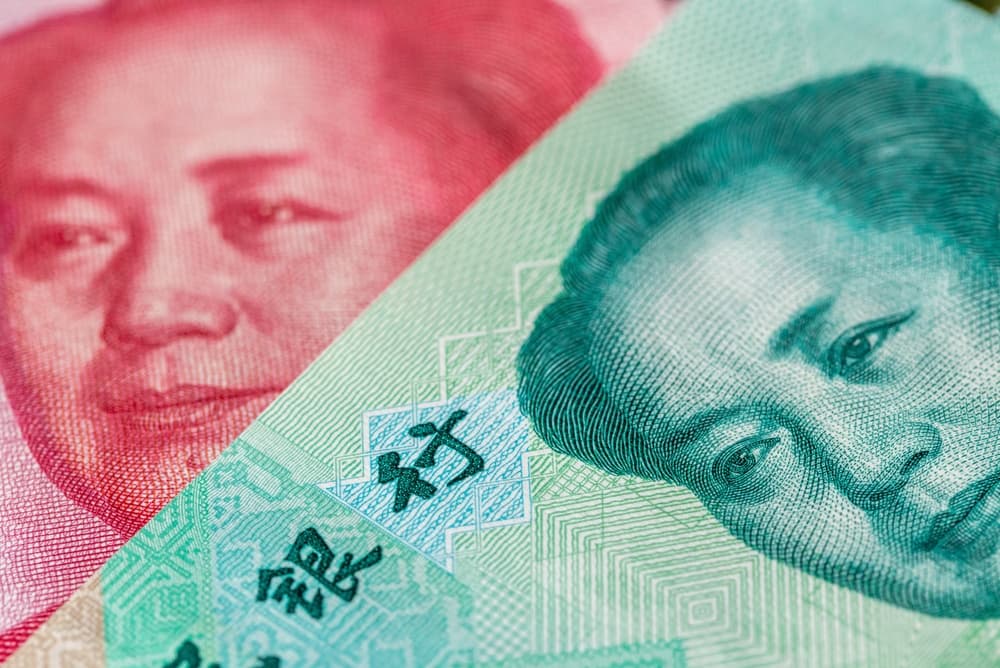


The price of a coconut in Thailand, which was 20 baht before 2020, has now dropped to as low as 2 baht, putting small farmers out of business. According to local producers, a few companies with Chinese capital now control much of the supply chain, imposing extremely low prices and distorting the market.
Iran is blocking with missiles and mines the strait through which 20 per cent of global crude oil transits. After China, India and Bangladesh are trying to get Iran’s approval for their ships to avert a crisis. According to EIA data, up to 82 per cent of oil going through Hormuz reach Asian markets. Starting 16 March, Tokyo intends to release part of its oil reserves on its own.
A new report looks at the reasons for the decline based on qualitative interviews in Tokyo and Seoul. In addition to demographic decline, the erosion of faith between generations, the “pressures of modern life”, the decline in religious practices, and negative views of religion have also played a role. However, many claim to maintain a cultural connection with Buddhism and still feel drawn to its teachings.
Spiritual leader of the Ashaninka people in Brazil, Benki Piyãko has been promoting reforestation, environmental education, and the transmission of indigenous knowledge for over 15 years, becoming an internationally recognised voice for the defence of the Amazon.
After a lengthy investigation, Italy expelled eight Chinese nationals accused of monitoring and intimidating Chinese dissidents. The case puts the spotlight on so-called overseas police stations, part of China’s network of active repression in several countries.
The government has identified the site, Minamitorishima, Japan’s easternmost island. Uninhabited and off-limits to tourists, it has “some unexplored landmass capable of hosting a facility,” according to Japan’s Industry Minister.