After the incident involving a plane carrying 67 people that crashed in December due to “interference” with the war in Ukraine, Azerbaijan and Russia are once again in the midst of a diplomatic crisis over a police raid. In the background is the crisis of Russian influence in the Caucasus, increasingly overshadowed by Turkish activism in the region.
Azerbaijan is on the front line of the conflict between Israel and Iran, with its ambivalent role as a strategic partner of Tel Aviv and complex and contradictory relations with Tehran. But neighbouring Armenia also openly expresses fears that the conflict could be protracted, involving other countries in the region.
Protests erupt during the visit of Moscow’s Foreign Minister, whom many Armenians blame for failing to support them against Azerbaijan. Russia offers reassurances on the importance of "allied relations" between the two nations, also aimed at countering Armenia’s rapprochement with Europe. Yerevan, however, has no plans to withdraw from the CSTO.
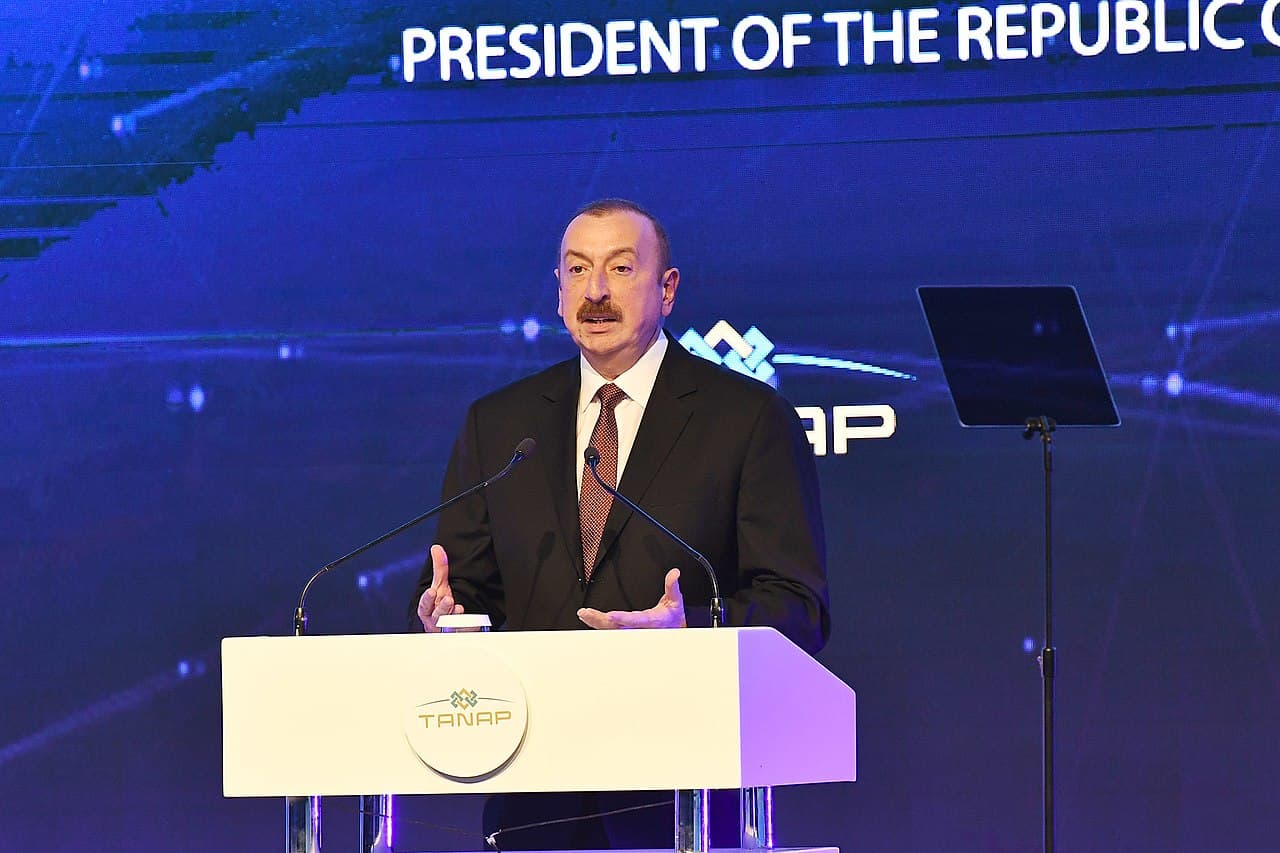
Azerbaijani President Ilham Aliyev continues to insist that “the Turkic World is our family”—a perspective that resonates increasingly with the rising nationalist sentiment in the majority-Azeri regions beyond the Iranian border, fuelled in part by support for Tabriz’s football team. A phenomenon that the authorities in Tehran are responding to with harsh repression.
Aliev's resentment towards the Europeans motivated by what he percieves as an ‘attempt at interference’ in Georgia's affairs is also being transmitted to Azerbaijan, through ‘human rights NGOs and the flow of capital connected to them’. He also heaps praise on Tbilisi for having introduced the law on ‘foreign influences’.
The international sanctions against Russia and Iran have allowed Azerbaijan to exploit its central position, and not only in geographical terms. The bet is on a large north-south transport corridor that would open the doors of the Indian Ocean to Moscow, from where it could circumvent any form of pressure.