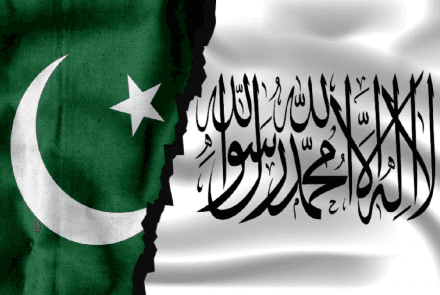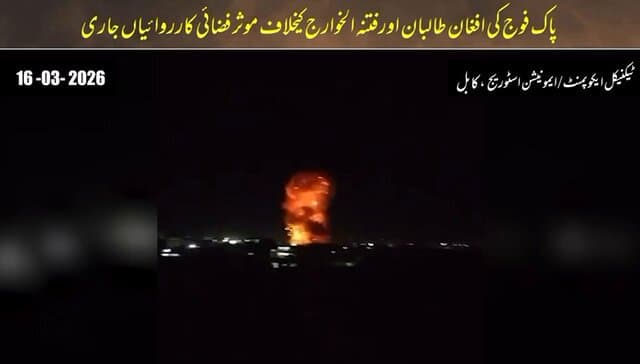
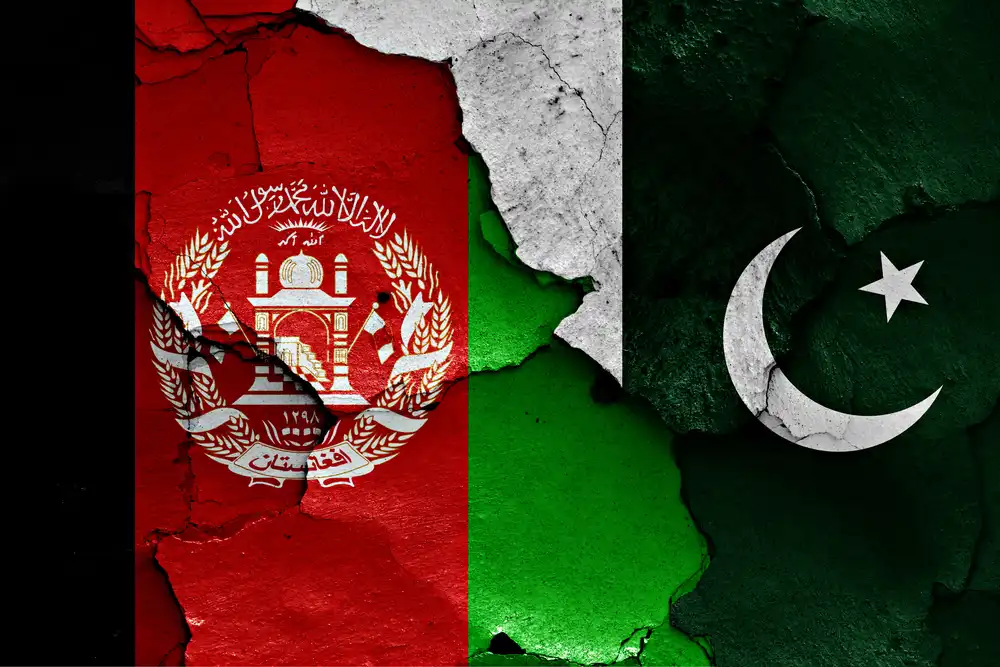
Fierce fighting along the border has reignited tensions between the two countries following a Pakistani raid on Kabul against the leadership of the Pakistani Taliban (TTP). Islamabad claims 200 Taliban fighters were killed, while Kabul reports 58 Pakistani soldiers killed. Saudi Arabia and Qatar are trying to broker a truce. In Pakistan, the Islamist Tehrik-i-Labbaik Pakistan (TLP) movement has resumed protests, sparking clashes in Islamabad and Lahore amid growing tensions.
Today, India decided to reopen its embassy in Kabul, marking an unprecedented political step towards the Taliban government. The announcement came after Pakistan struck the Afghan capital to eliminate Noor Wali Mehsud, leader of the Pakistani Taliban. These developments are part of a new phase in the conflict between India and Pakistan, which began with Operation Sindoor, launched by New Delhi in May in response to an attack in Kashmir.
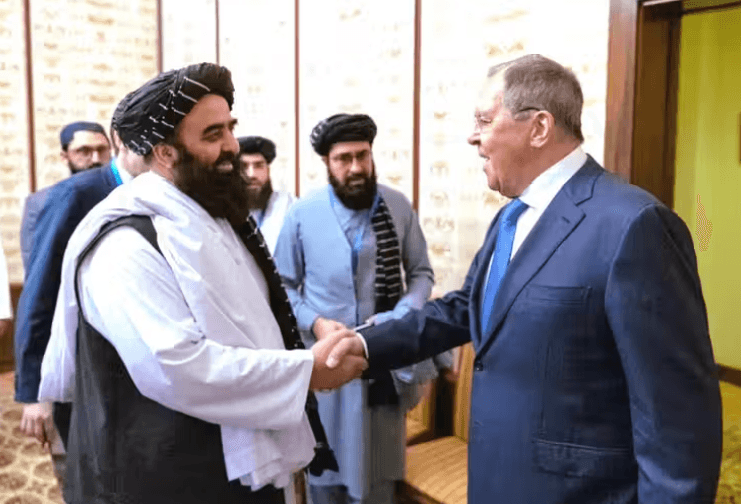
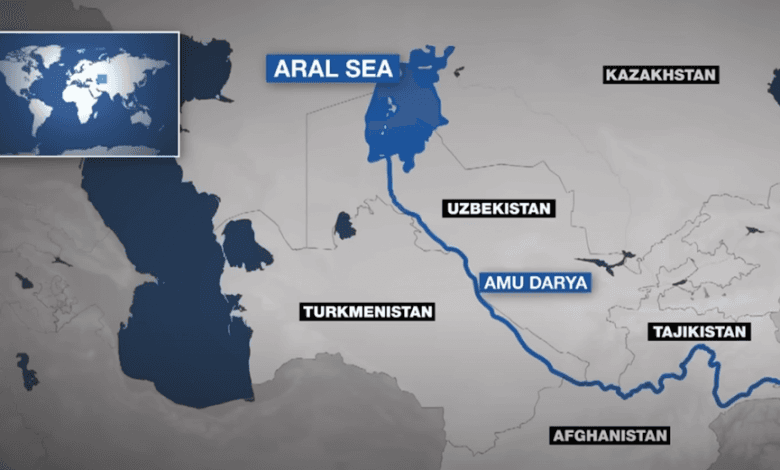
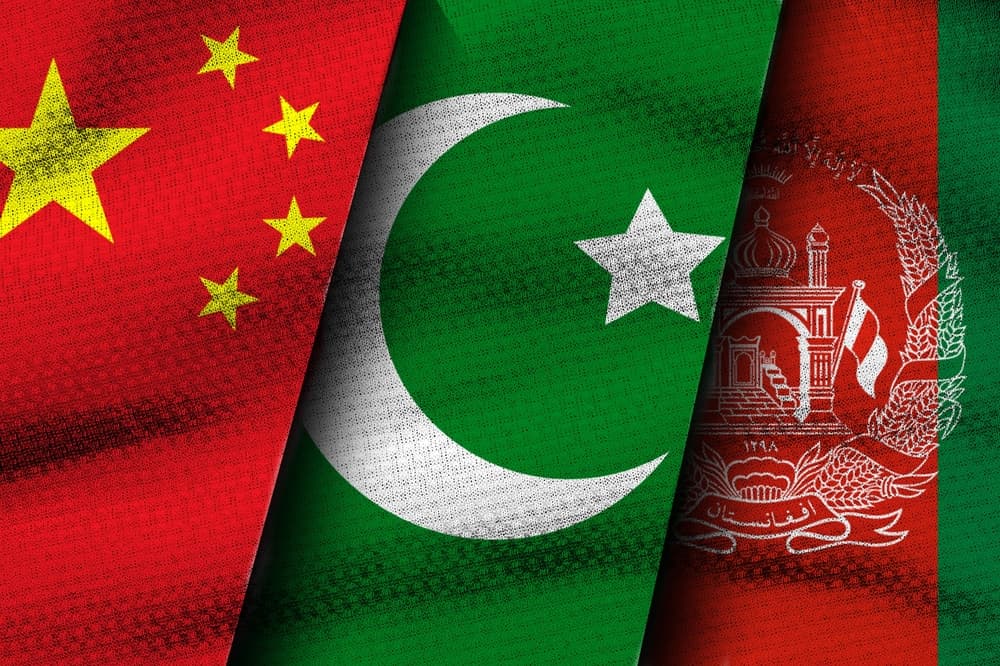
At the session marking the 80th anniversary of the United Nations, all five heads of state emphasised in their speeches how this region, torn apart by border conflicts for centuries, is now one of the most peaceful in the world, with growing economic cooperation. There was also a common position on Afghanistan, calling for an end to its isolation through pragmatism without official recognition of the Taliban.
An Afghan boy arrived in New Delhi from Kabul hiding in the landing gear of a plane. Indian authorities immediately sent him back. Taliban flatly refuse Trump’s demand for a return of the Bagram Air Base, while ordinary Afghans are still dealing with the effects of a devastating earthquake that struck the country in late August, made worse by cuts to humanitarian aid and new restrictions imposed by the Islamic Emirate.
Satellite images suggest that by the end of this year, Pakistan could surpass Afghanistan in drug production, with profits going to various terrorist groups in its southwestern province. Here, poppy fields grow as attacks multiply. Separatist groups and Pakistan’s military have been joined recently by the Islamic State with the local population caught in the crossfire.
The official death toll from the earthquake in eastern Afghanistan has risen to 800, with over 2,800 injured, while rescue workers struggle to reach remote areas affected by the disaster. The emergency comes on top of the nearly two million refugees forced to return from Pakistan and Iran in recent months. In addition to the lack of infrastructure, the shortage of female doctors, a consequence of the bans imposed by the Taliban after their return to power, is further complicating assistance.