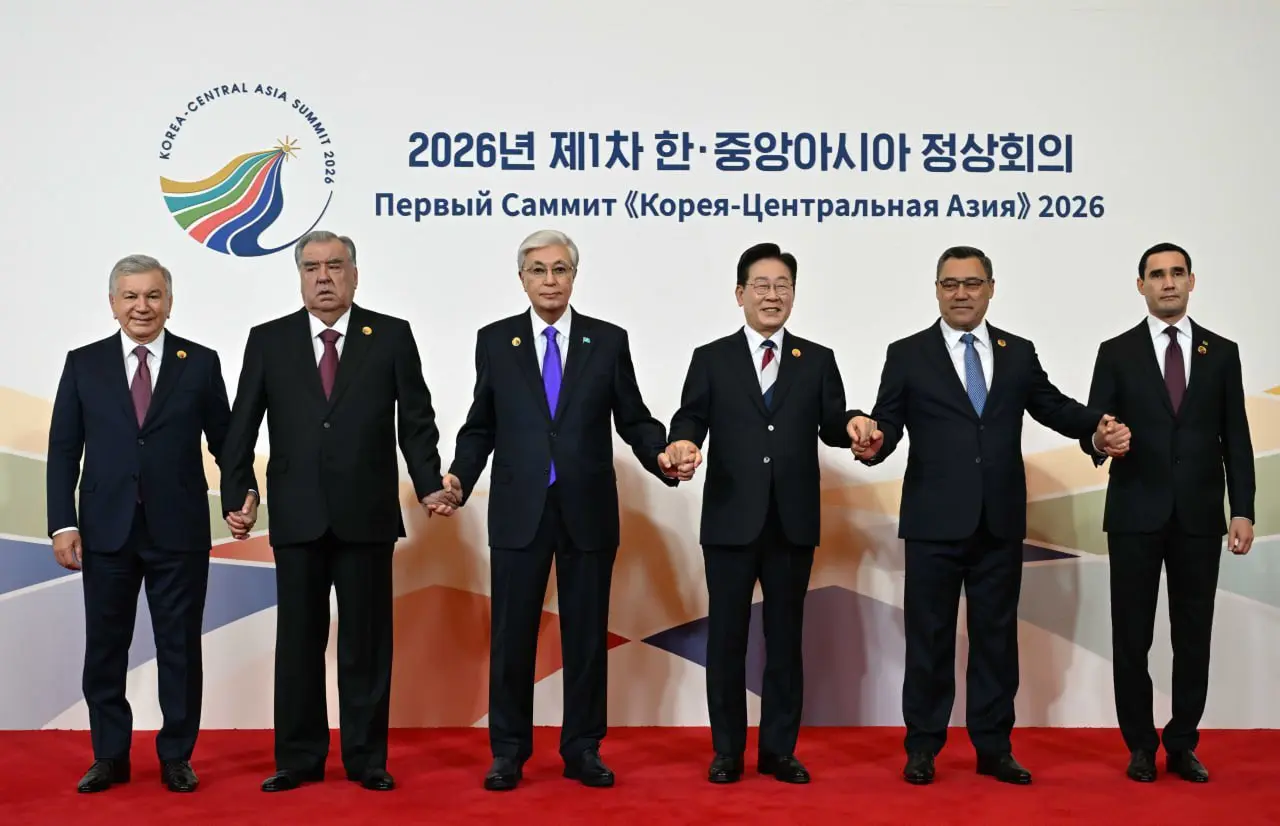

Japan is looking to the region with projects worth billion over five years. The Land of the Rising Sun's soft power policy in the area is strengthening. For Central Asians, the Japanese are ‘very reliable partners focused on practical results’. Key elements include human capital development, training and administrative programmes, technological standards and high-quality projects.
China has opened the 22-kilometre-long Tianshan Shengli Tunnel to traffic, completing a key piece of infrastructure on the motorway linking the city of Urumqi to Yuli. The project drastically reduces travel times between northern and southern Xinjiang and strengthens connections to Central Asia as part of the Belt and Road Initiative. The project is part of the development strategy for border regions, but it crosses a territory marked by strong political tensions over human rights violations against the Uyghurs.
China’s special envoy Deng Xijun visits Phnom Penh to revive ceasefire efforts. Cambodian opposition leader Sam Rainsy attacks Hun Sen and the Cambodian government for fanning the flames of conflict to mask a "personal conflict" with Thaksin Shinawatra. More than 30 Thai and Cambodian NGOs issue an appeal for a truce, stressing that mostly ordinary people are affected by war.
A voice from China comments on three attention-grabbing cases involving fellow Chinese abroad caught up in extremely serious transnational crimes related to fraud, drugs, and human trafficking. “In our textbooks, the Opium War of two centuries ago is presented as a national tragedy,” so why when “we are rich and strong,” are we “installing slot machines in the poorest areas of Africa”?
Nepal's anti-corruption commission has indicted 55 former politicians and officials and the state-owned China CAMC Engineering of inflating the costs of Pokhara International Airport, built with a Chinese loan as part of Beijing’s Belt and Road Initiative, but currently without regular international flights. The investigation is testing the new caretaker government, which does not want to jeopardise ties with Beijing.
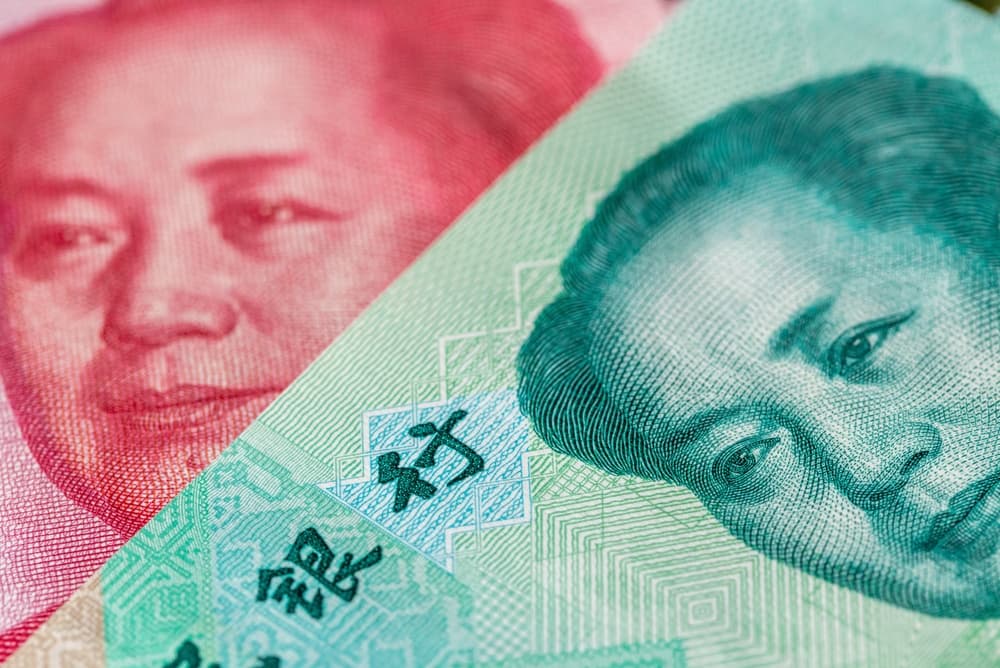
Visitors from China will be able to use payment apps, making transactions easier. Soon, Thai nationals will also benefit from this technology in China. The system, increasingly used across ASEAN, serves not only to exchange money but also to strengthen trust, convenience, and a shared commitment to a more seamless financial future.